
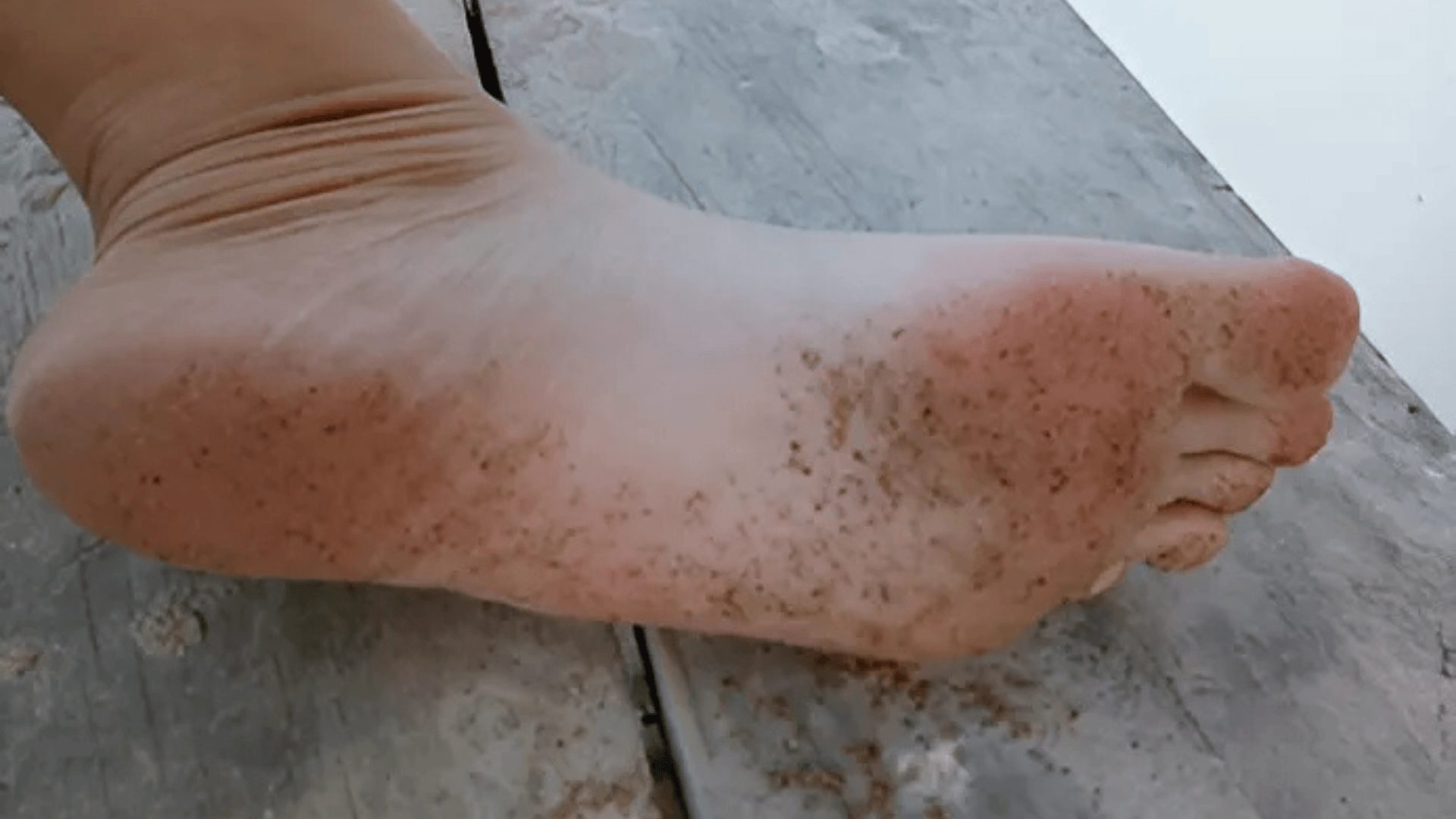
Finding a black spot on bottom of foot can be scary. Most people ignore their feet until they see something strange. Our feet carry our entire body weight every day. They deserve our attention. A dark mark might be a simple bruise. It could also be a sign of a serious health issue. Knowing the difference can save your life. This guide explains why these marks appear and when to see a doctor.
What Are These Dark Marks and Black Dots on Bottom of Foot?
The skin on your soles is very thick. It has many layers to protect you from the ground. When a black spot on foot appears, it often sits deep in these layers. You might see small black dots on bottom of foot or one large patch. Doctors look at the shape, color, and size of these marks. Some are harmless. Others need fast medical care. Let us look at the most common warning signs. We will explore why they happen and what they mean for your health.
1. Plantar Warts or Tiny Black Dots on Bottom of Foot
Plantar warts are very common. They often look like small, grainy growths. You might see tiny black dots on bottom of foot. People often call these “seed warts.” These dots are actually tiny, clotted blood vessels. Warts happen because of a virus called HPV. This virus enters through tiny cuts in the skin.
They can be painful when you walk. They often feel like a small stone in your shoe. Warts can spread if you pick at them. They love the moist environment inside your shoes. Keeping your feet dry helps prevent them. If they hurt, you need to treat them quickly. Warts usually have a rough surface. They hurt more when pinched than when pressed directly. These tiny black dots are a classic sign of a viral wart.
2. Dried Blood Causing a Black Spot on Bottom of Foot
Active people often get “talon noir.” This is a French term for black heel. It happens when tiny blood vessels leak under the skin. You might see a black spot on bottom of foot after running or jumping. High-impact sports cause this often. Sudden stops or turns put pressure on the heel. The blood gets trapped and turns dark.
It usually fades as the skin grows out. This can take several weeks or months. It does not hurt when you press it. The mark will move toward the surface over time. If the spot stays in the same place for a long time, see a doctor. Most bruises change color from purple to yellow before they disappear. A stable black spot on foot bottom needs professional review.
3. Fungal Infections and Dark Black Spot on Foot
Fungi love dark, damp places like sweaty shoes. Some types of fungus cause dark patches. This is called Tinea Nigra. It creates a brown or black patch that is not painful. It does not itch much. This fungus lives in soil or decaying wood. You can catch it by walking barefoot in tropical areas.
You can usually wash it off with the right cream. It is more common in warm, humid areas. The spot often has a clear border. It stays on the top layer of skin. A doctor can scrape it off easily to check it. Keep your feet dry to stop fungus from growing. Always wear flip-flops in public showers to stay safe.
4. Foot Moles or a Permanent Black Spot on Bottom of Foot
You can have moles anywhere. This includes your soles. A normal mole is usually round and brown. Some moles are present at birth. Others appear as you get older. If you have a new black spot on foot, watch it closely. Most moles are safe and stay the same size.
However, any mole on the foot needs a check-up. Rubbing from shoes can irritate them. This irritation can lead to inflammation. Check for any changes in color or shape. A mole that changes quickly is a warning sign. Flat spots can be moles or stains. If the edges are uneven, get it checked by a skin expert.
5. Acral Lentiginous Melanoma: A Dangerous Black Spot on Foot
This is the most serious cause. ALM is a type of skin cancer. It shows up on the palms or soles. It starts as a dark streak or a black spot on bottom of foot. It can grow quickly and go deep. This cancer is more common in people with darker skin tones. It is not caused by the sun. It often looks like a bruise that does not heal.
Early detection is the only way to treat it well. Doctors use a special tool to look at the cells. If you see a spreading black patch, go to the clinic. Do not wait for it to hurt. Cancer often does not cause pain at first. A black spot on foot that bleeds without reason is very risky.
6. Varicose Veins and Venous Staining on the Foot
Sometimes, a black spot on foot is linked to your circulation. Varicose veins happen when vein valves stop working well. Blood pools in the lower legs and feet. This pressure causes tiny red blood cells to leak into the skin. When these cells break down, they leave iron behind.
This iron stains the skin a dark brown or black color. You might see a large black spot on bottom of foot or near the ankle. This is called hemosiderin staining. It is a sign of long-term vein disease. If your legs feel heavy or swell, your veins might be the cause. Proper blood flow is key to keeping your skin clear.
7. Diabetic Foot Ulcers and Black Spot on Bottom of Foot
People with diabetes must check their feet daily. High sugar levels can damage nerves and blood flow. You might lose feeling in your feet. This is called neuropathy. A small cut can turn into a dark, dead area of skin. If a black spot on foot looks like an open sore, act fast.
It could be an infection or tissue death. This needs immediate help from a podiatrist. Dead tissue looks black and may smell bad. Preventing ulcers starts with good sugar control. Never walk barefoot if you have diabetes. Wear white socks so you can see any blood or fluid easily.
8. Clogged Sweat Glands and Small Black Dots on Bottom of Foot
Your feet have thousands of sweat glands. Sometimes, a sweat gland gets blocked. Dirt and oils can get trapped inside. This creates a tiny dark point. It looks like a blackhead but on your foot. These are usually harmless. They can become tender if they get infected.
You might see several black dots on bottom of foot in one area. Keeping your feet clean helps a lot. Use a pumice stone to remove dead skin. This prevents the glands from getting covered by thick skin. Clean feet are less likely to have blocked pores.
9. Foreign Objects Looking Like a Black Spot on Foot
Did you walk barefoot recently? A small splinter or piece of glass can get stuck. Over time, the body covers it with skin. It can look like a permanent black spot on foot. You might feel a sharp pain when you press on it. The body tries to push it out.
This causes a small bump or dark mark. Sometimes the object is very deep. A doctor may need to remove it safely. Do not try to dig it out yourself. This can cause a serious infection. A deep splinter can lead to a painful abscess.
10. Chemical Stains Creating a Temporary Black Spot on Bottom of Foot
Sometimes the cause is outside the body. New socks or cheap leather dyes can stain the skin. Certain chemicals or plants can also leave marks. These spots usually have fuzzy edges. They will fade if you stop using the item that caused them. Try washing your feet with strong soap.
If the color lightens, it is just a stain. Stains do not stay in the skin layers. They sit on the surface and rub off eventually. This is the most harmless cause of a dark mark. It is not a true black spot on bottom of foot because it is not in the skin.
How a Homeopathic Physician Treats a Black Spot on Bottom of Foot
As a BHMS doctor, I look at the whole person. Homeopathy focuses on the root cause. We do not just treat the spot. We treat the body that produced the spot. In homeopathy, we call these skin marks “miasms.” They show an internal imbalance. Proper treatment can clear the skin and improve your health.
Common Homeopathic Remedies for Foot Spots
- Antimonium Crudum: Use this for hard, painful warts. It helps when the skin is very thick and callused.
- Graphites: This is for dry, cracked skin with dark patches. It helps if the spots ooze a sticky, honey-like fluid.
- Arnica Montana: Use this for a black spot on bottom of foot caused by injury. It helps the body absorb the trapped blood.
- Hamamelis: This is excellent for spots caused by varicose veins. It helps strengthen vein walls and reduces staining.
- Thuja Occidentalis: This is the main remedy for warts and skin growths. It helps the body fight the virus from within.
- Nitricum Acidum: This is for spots that feel like a splinter is poking you. It works well on bleeding or painful warts.
Every patient gets a unique plan based on their symptoms. We look at your sleep, your mood, and your diet. This helps us pick the best remedy for your specific needs.
Tips for Preventing a Black Spot on Foot
Prevention is better than cure. Follow these simple steps for healthy feet:
- Check Daily: Use a mirror to see the soles of your feet. Pay attention to any new signs or changes.
- Wear Shoes: Protect your feet in public bathrooms and gyms. This prevents warts and fungus from spreading.
- Keep Dry: If socks go sweaty, change them. Use foot powder to keep the skin fresh.
- Use Sunscreen: Yes, moles can also appear on the top and sides of the feet. Ultraviolet rays can cause changes in the shape of moles and their growth.
- Control Sugar: Keep your blood sugar level in a healthy range. This protects against severe ulcers and nervous damage.
- Proper Fit: Wear shoes that don’t pinch. This protects against scratch and injury marks.
The Bottom Line
A black spot on bottom of foot is often a simple issue. It could be a wart or a bruise from walking too much. However, we cannot ignore the risk of serious disease. Check for any unusual marks on your feet today. Contact your doctor right away if you notice anything new or unusual. Whether you choose conventional care or homeopathy, early action is best. Your feet carry you through life. They work hard every single day. Take good care of them so they can keep moving you forward.